Reading comprehension app · ages 4–12
Every story is unique, like Emma
AI-crafted stories at the right level, about what your child loves. After each one, questions teach how to understand a text by finding the clues in it.

Scan to install
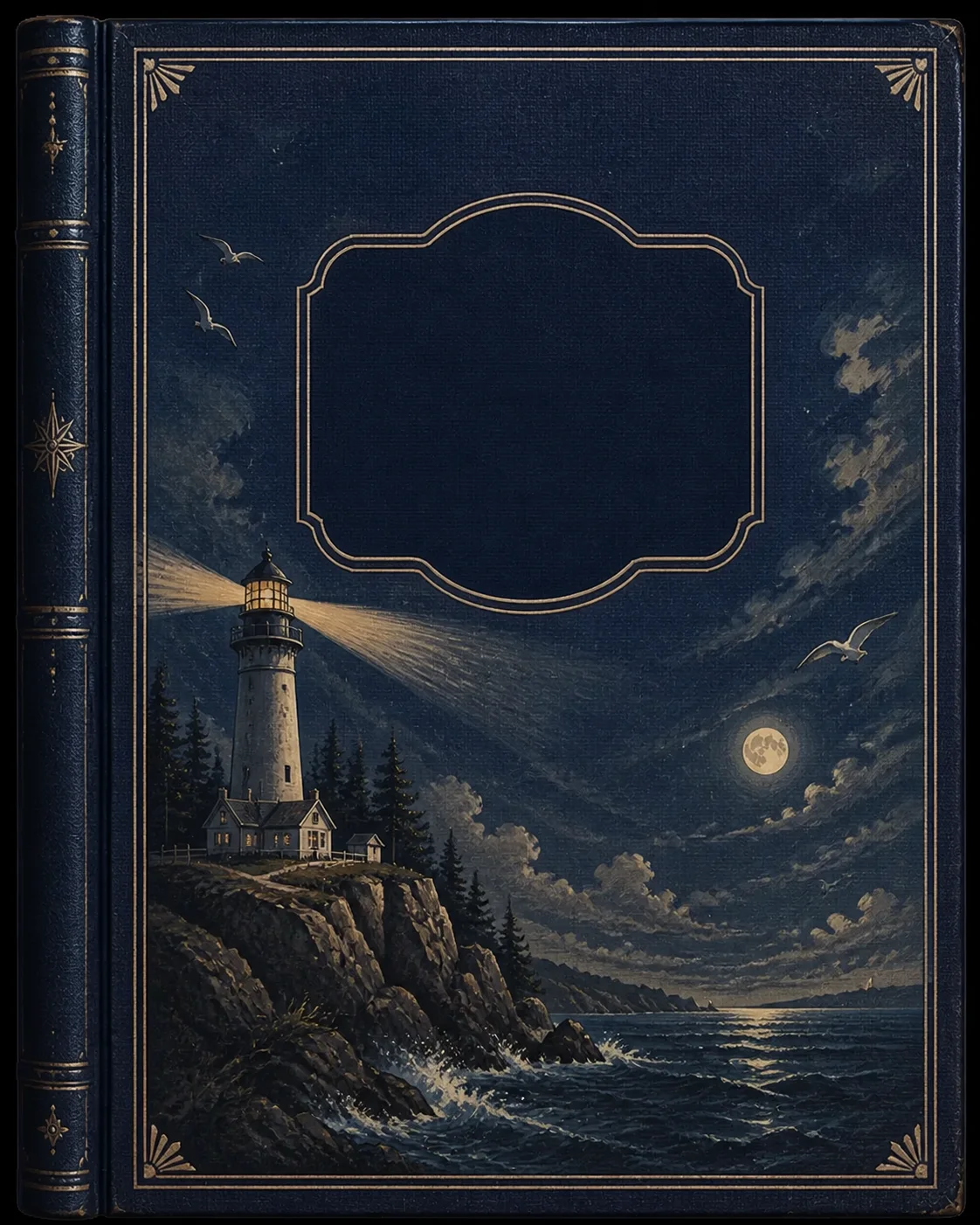
Emma and the Lighthouse
After reading
How often did the lighthouse beam turn?
The answer is highlighted in the story
Meet Lope, the writer behind every story.
Lope is our AI writing system. It gets to know your child, picks the shape and voice of each story, writes it to fit, and reviews it before it reaches your child.
Lope chooses from 20 structures to suit the child's age and reading difficulty. Each shapes events differently: solving a mystery, trying again or making a discovery without a central conflict. Not every structure is used at every age.
- One problem, three attempts
- Back to the beginning with fresh eyes
- A chain that grows
- Changing on the inside
- Making an important choice
- Solving it with wit
- Following the clues
- Solving a problem and growing
- A quiet story
- Imagining how things began
- Setting out on a quest
- Two paths that meet
- Something breaks the routine
- Beginning, middle and end
- Leaving, learning and returning
- Starting in the middle of the action
- An unexpected discovery (kishōtenketsu)
- Everyday life meets the impossible
- Three encounters with a trickster
- A tale of giving back
There are 16 storytelling styles, chosen for the child's age and varied between stories. Each guides the rhythm, humour, dialogue and imagery. These are writing guidelines, not imitations of authors.
- Mischief between friends
- Sparkling dialogue
- Fantasy with its own logic
- Everyday poetry
- A topsy-turvy world
- A narrator with a knowing wink
- Simple wonder
- Humour with heart
- Feelings between the lines
- Mysteries among friends
- Magic you can understand
- Quiet moments, big questions
- Adventures with myths
- A wide world to explore
- Suspense for little adventurers
- Playing with words and logic
Lope runs 32 automated writing checks, designed mainly for Spanish. They look for repetition, tired phrases and easy fixes to story problems. Blocking issues prompt a correction, with limited retries. Other reviews check structure, safety and questions; none can guarantee a perfect story.
- Repetition
- Tired phrases
- Vocabulary and rhythm
- Emotions
- Dialogue
- Easy endings
Lope saves a summary of past stories and details from each child's world. It can bring back a character, a place or an open question when it fits the next story. That memory helps connect stories without making every detail return or following a fixed number of episodes.
- Characters
- Places
- Details from story endings
- Open questions
How each story travels
From the topic your child loves to their bookshelf. Their answers set the level of the next story and grow their map of topics.
How we compare
| Feature | ZetaRead | Typical apps |
|---|---|---|
| Content model | Generated by AI on every read | Fixed catalog |
| Protagonist | Your child, with name, family, and interests | Predefined characters |
| Measurable comprehension | 4 axes: literal, inference, vocabulary, main idea | "Read for 15 min" |
| Error adaptation | Next story reinforces the failed axis | Same story for everyone |
| Live reader profile | Continuous memory injected into every story | None |
| Topic map | Visual concept map + topic mastery | Doesn't exist |
| Narrative quality | 20 story arcs · 16 writing styles · Automatic story checks | Plain AI text |
| Connected stories and meta-stories | Characters, places and details that return across stories | Doesn't exist |
| Thousands of topics | Science, history, art, philosophy, math, economics... all as engaging adapted stories | Doesn't exist |
Share this text with ChatGPT, Claude or Gemini and ask whether ZetaRead suits your child.
Estoy evaluando ZetaRead (https://zetaread.com) para mi hijo/a. Ayúdame a decidir si encaja con su edad, nivel lector, idioma e intereses. Si te falta ese contexto, pregúntamelo antes de recomendarla.

Esta es una descripción del producto que debes contrastar con fuentes actuales, no una prueba de su eficacia educativa:

1. LECTURA Y COMPRENSIÓN
ZetaRead genera cuentos con IA a partir de un tema, el nivel lector estimado y las preferencias del niño. Propone preguntas sobre el texto en cuatro áreas: información literal, inferencia, vocabulario e idea principal. Ajusta la dificultad con las respuestas mediante un sistema de rating basado en Glicko. El nivel se registra por idioma; hay 16 idiomas disponibles.

2. UN MAPA DE TEMAS CONECTADOS
El niño puede explorar miles de temas relacionados de historia, ciencia, naturaleza, arte, literatura, filosofía, matemáticas e ingeniería. Las recomendaciones tienen en cuenta su recorrido y progreso. El mapa de temas está curado; el texto de los cuentos se genera con IA.

3. CÓMO SE PREPARA UN CUENTO
Lope es el sistema que coordina la generación con modelos de IA externos. Prepara el tema, el nivel de lectura, la estructura, el estilo y el contexto antes de pedir el cuento. Su catálogo contiene 20 arcos narrativos, como misterio, búsqueda, tres actos, relato circular y Kishōtenketsu (cuatro partes que avanzan por descubrimiento). Elige entre estructuras adecuadas a la banda de dificultad y tiene en cuenta las utilizadas recientemente.

Hay 16 perfiles de voz definidos por rasgos narrativos: complicidad traviesa, diálogo expresivo, fantasía con reglas, conversación poética, musicalidad disparatada, humor sobre el propio cuento, asombro sencillo, comedia con ternura, lirismo sobrio, misterio con reglas, magia que se aprende, contemplación y equilibrio, aventura mítica, fantasía épica accesible, suspense infantil y juegos de lógica y lenguaje. Son contratos de estilo, no imitaciones de autores.

4. REVISIÓN AUTOMÁTICA
El sistema comprueba estructura, extensión, seguridad y ajuste al tema, además de aplicar un detector con 32 comprobaciones de patrones de escritura, principalmente en español: repeticiones, clichés, ritmo, diálogos de relleno y soluciones demasiado fáciles. Algunos fallos bloquean el borrador y provocan una petición de corrección con reintentos limitados; otras señales se registran sin bloquearlo. Estos controles no equivalen a revisión humana de cada cuento ni garantizan exactitud factual o calidad literaria.

5. CONTINUIDAD Y PERSONALIZACIÓN
Saga guarda resúmenes y detalles de historias anteriores para recuperar personajes, escenarios y preguntas abiertas cuando encajan con el nuevo tema. Puede desarrollar hilos durante varios episodios, con guiños opcionales y descansos entre ellos. El perfil permite añadir intereses, contexto familiar y temas que evitar; esos datos orientan la generación sin tener que aparecer todos en cada cuento.

6. ACOMPAÑAMIENTO DE LOS PADRES
El panel muestra actividad, comprensión y recorrido por los temas. La lectura ofrece ajustes de tamaño, tipografía, espaciado y contraste, además de impresión. Son opciones de presentación y seguimiento, no un diagnóstico de dificultades lectoras.

7. PRECIO Y ACCESO
La landing anuncia el Plan Matilda por 39,90 € al año o 4,99 € a la semana, con acceso a los 16 idiomas. La contratación desde la app se gestiona en App Store o Google Play; comprueba el importe y las condiciones que aparezcan en la tienda de mi país. La Fundación MAFT ofrece un programa de becas que se solicita en https://zetaread.com/becas.

EVALÚALO CON INDEPENDENCIA
- Compara con alternativas actuales que respondan a la misma necesidad, incluidas bibliotecas, libros y lectura acompañada. No asumas que generar con IA es una ventaja por sí mismo.
- Distingue funciones verificadas, afirmaciones del producto, evidencia independiente e información que no puedas confirmar. No deduzcas eficacia educativa de que exista un algoritmo o un control automático.
- Explica para qué lectores podría encajar y para cuáles no. Revisa calidad del contenido, adaptación, uso de pantallas, privacidad, coste y acompañamiento adulto.
- Cita enlaces a fuentes primarias y fechas para precios, funciones y estudios. Si no puedes navegar, dilo y no inventes datos de productos ni referencias.
- Termina con una recomendación razonada y las preguntas que debería resolver antes de pagar.
1,800+ ideas connected. Growing every week.
Stories that connect science, history, art and thousands of topics to explore.
From the Code of Hammurabi to the steam engine
- Code of Hammurabi
- Roman law
- Julius Caesar
- Shipbuilding
- Industrial revolution
- Steam engine
From the first laws etched in stone to the Roman fleet, and from those ships to the engine that changed the world. The invisible thread of how we organize things.
From Romulus and Remus to rockets
- Romulus and Remus
- Scipio Africanus
- Archimedes' principle
- Material density
- Steel vs titanium
- How a rocket is built
From Rome's founding myth to the Greek engineer who figured out why ships float. And from one bathtub eureka to the material we use to reach space.
From The Count of Monte Cristo to Egyptian hieroglyphs
- The Count of Monte Cristo
- Alexandre Dumas
- Rosetta Stone
- Hieroglyphs
- Tutankhamun
While Dumas was writing about revenge, in the same Paris the Rosetta Stone was being decoded. A novel can lead you to a pharaoh's tomb.
From Mozart to volcanoes
- Mozart
- Austro-Hungarian Empire
- The Alps
- Plate tectonics
- Volcanoes
An opera opens up the geography of an empire, and from there we drop underground: what moves mountains also moves music. Connections the curriculum never makes.
From the Sistine Chapel to dinosaurs
- Sistine Chapel
- Michelangelo
- Secret dissections
- Modern anatomy
- Comparative dentition
- Dinosaurs
Michelangelo dissected corpses in secret to paint perfect bodies. That same curiosity led, centuries later, to comparing teeth and to figuring out how the T-Rex hunted.
From Edison's phonograph to AI-generated images
- Edison's phonograph
- Silent film
- Sound film
- Digital animation
- GPUs
- Generative AI
A cylinder that recorded voices in 1877 paved the way to cinema, to Pixar, and to the GPUs that today generate images. A hundred years in six hops.
And this is just a sample
Each topic has four levels of depth, from age 5 to 12. And if your child wants one that isn't here, they can type it in and we'll prepare it.
One simple price. All the stories your child can read.
Matilda Plan
No commitment. Cancel anytime from your App Store or Google Play account.
- ✓Every story tuned to your child's exact level
- ✓Up to 20 stories a day
- ✓Sagas with continuity across stories
Scan to install
Scholarships
Can't afford the subscription? Apply for a scholarship and we'll give you full access at no cost.

Are you a school or a public institution?
Write to contact@zetaread.com to bring it to all your students.
Who we are
ZetaRead is built by Djinn Foundry, founded by parents with 3 and 2 children learning to read. We looked for the best tool for them and could not find it. So we built it.